Why Your Roofing Contractor's Insurance and Safety Record Matter as Much as the Price
Getting multiple bids before a roofing project is smart. But the bid that looks best on paper isn't always the one that protects you. Every year, property owners, general contractors, and homeowners find out the hard way that a rock-bottom price can come from a roofing contractor who is cutting corners on insurance and safety.
At Turner Morris Commercial Roofing, we believe an informed decision starts with understanding what's behind a bid. Whether you’re managing a commercial property, residential roof replacement, or coordinating subcontractors as a general contractor, insurance and safety practices deserve just as much scrutiny as the dollar figure.
Why a Low Bid Can Be a Warning Sign
Proper insurance isn't optional overhead a contractor can choose to skip to save a few dollars, and it is a real, ongoing cost. A roofing company carrying adequate general liability insurance, workers' compensation coverage, and OSHA-compliant safety practices is paying for that protection every single day. When a bid comes in dramatically lower than every other estimate, that gap must come from somewhere. Sometimes it's efficiency. Often, it's insurance, safety equipment, or trained labor that quietly isn't there.
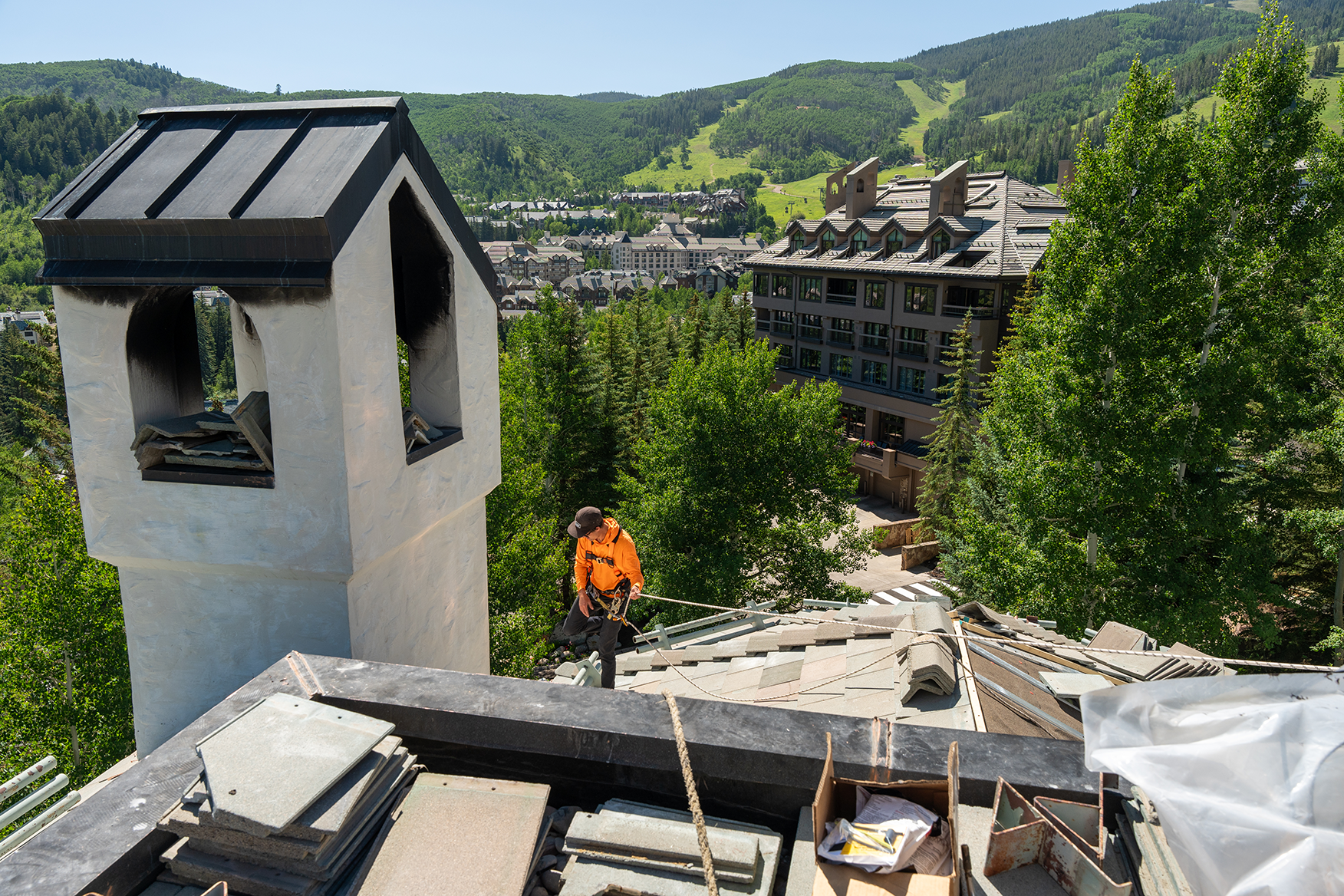
Roofing is one of the most physically demanding and hazardous trades in construction. According to the U.S. Bureau of Labor Statistics' Census of Fatal Occupational Injuries, roofers have consistently ranked among the three most dangerous occupations in the country in recent years, with a fatality rate several times higher than the roughly 3.3 deaths per 100,000 workers seen across all U.S. occupations. Falls account for most of those deaths. Side note: in over thirty years of business, Turner Morris has never had a fatality, setting a golden standard for safety in our industry. That risk is exactly why legitimate roofing contractors invest heavily in fall protection, safety training, and insurance. A contractor who skips those investments is passing the risk on to someone else. Often, that someone is the customer.
What "Properly Insured" Actually Means
When we talk about insurance, we mean more than a certificate a contractor waves at you during the sales pitch. At minimum, a legitimate roofing contractor should carry:
General liability insurance, which covers property damage or third-party injuries connected to the work.
A GL policy that looks sufficient on its face may exclude the work done on your property. We have seen roofers with GL policies that exclude commercial buildings, buildings over 30 feet tall, or multi-family housing.
If a roofer is using subcontractors, they may be hiding the omission that their employees are not covered by a GL or comp policy.
It is imperative that the contractor’s policy covers your building, and that, if they are using subcontractors or subcontracted labor, all of their subcontractors are insured.
Workers' compensation insurance, which covers medical costs and lost wages if one of their own crew members is hurt on your property.
Proof of coverage in the form of a current Certificate of Insurance (COI) that names your business, or you, as an additional insured when appropriate, and not just a verbal claim of coverage.
A reputable contractor will hand over a current COI without hesitation. If a contractor is reluctant to provide one, repeatedly delays, or offers a certificate that has expired or doesn't match the scope of work, treat that as a serious red flag, not a minor administrative gap.
Why This Matters for Commercial Property Owners
Commercial roofing projects tend to be larger, longer, and involve more workers on-site at once, which raises the stakes considerably. If an uninsured worker is injured on your commercial property, your business, not just the contractor, can become a target of a claim, particularly if there's any question about supervision, site conditions, or whether the contractor was properly licensed and insured in the first place. Many commercial leases and lender agreements also require proof of contractor insurance before work can even begin. Verifying insurance is often a contractual obligation.
Why This Matters for Homeowners
Homeowners are sometimes the least prepared for this risk because they assume their homeowners insurance will cover any problem that arises. In many cases, homeowners insurance isn’t enough, particularly if a worker is injured while doing paid work on the property and that worker's employer didn't carry workers' compensation coverage. Depending on the state and the specifics of the situation, an injured, uninsured worker may be able to pursue a claim directly against the homeowner. A five-minute check of a contractor's insurance before signing a contract is far cheaper than the alternative.
Why This Matters for General Contractors
If you're a general contractor bringing in a roofing subcontractor, their insurance and safety record becomes an extension of your own risk profile. A subcontractor without adequate coverage can jeopardize your project's insurance requirements, delay a job if an incident occurs, and expose you to liability under an indemnification clause you may not have fully considered. Vetting a roofing sub's insurance and OSHA compliance the same way you'd vet their workmanship protects both your project timeline and your bottom line.
Questions Worth Asking Before You Sign
Can I see a current Certificate of Insurance, and can you name my business as an additional insured?
What is your general liability coverage limit?
Do you carry workers' compensation for every crew member who will be on-site, including any subcontractors?
What fall protection and safety training do your crews use on this type of roof?
Have you had any OSHA citations in the past three years? You can also search for violations on the OSHA website.
A contractor confident in their coverage and safety record will answer these questions directly and without hesitation.
The Real Cost of "Cheap"
Price matters, but the cheapest bid only stays cheap if nothing goes wrong. When it doesn't, the cost of an uninsured contractor in liability, delays, and stress can dwarf whatever was saved upfront. At Turner Morris Commercial Roofing, we carry full general liability and workers' compensation coverage, follow OSHA safety standards on every job, and are glad to provide current proof of insurance before we ever set foot on your roof. We'd rather earn your business by showing you exactly what stands behind our bid.