Wildfire-Ready Commercial Roofing in Colorado
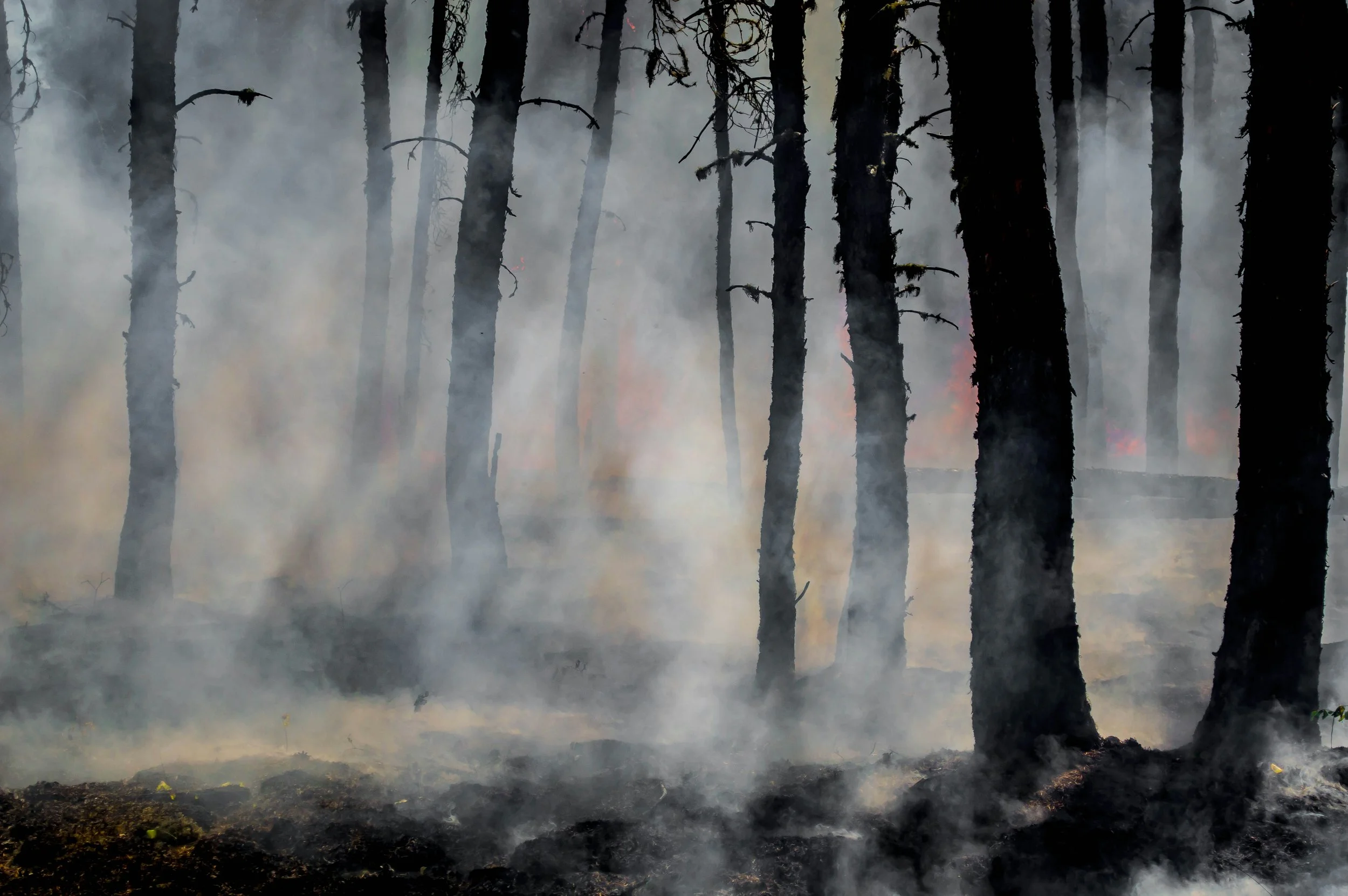
When the wind carries embers, your roof is the front line.
Wildfire-ready commercial roofing, maintenance, and ember-resistant upgrades across Colorado, from Denver through the Colorado High Country.
Serving the Denver Metro and surrounding areas, Summit County, Grand County, the Vail Valley, and the Roaring Fork Valley.
Why Prepare for Fire?
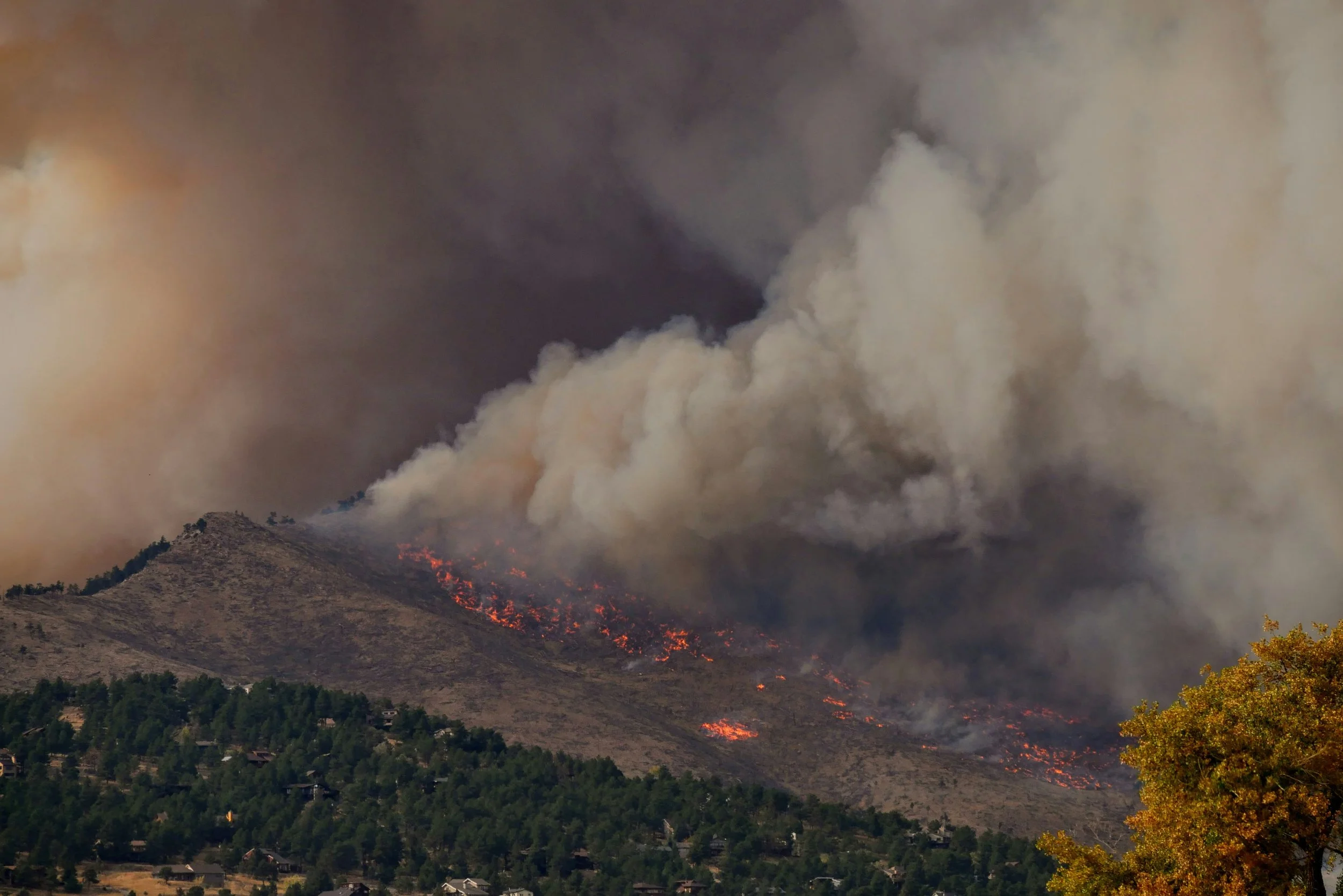
Colorado now has a longer, more intense fire season. More homes and buildings are in high-risk (WUI) areas. Insurance restrictions are becoming more common in wildfire zones. There are also new statewide building requirements related to fire management that will impact updates on current and future buildings.
Wildfire-ready roofing, the Turner Morris Way
For more than 30 years, we've built and maintained commercial roofs across Colorado's most extreme weather, including sun, snow, wind, hail, and, increasingly, fire. Our wildfire-readiness work covers four areas:
Class A Roof Systems
A Class A fire rating is the highest classification under ASTM E108 and UL 790, and it's the new baseline under Colorado's wildfire code. We install and maintain Class A assemblies across the materials our clients trust. These assemblies include composition shingles, standing-seam metal, modified bitumen, single-ply membranes, synthetic slate, and tile.
Ember-Resistant Vents
Vents are the #1 documented entry point for embers into a building. We install and retrofit ember-resistant attic and soffit vents from the industry's leading manufacturers, selecting the right product for each roof type, climate exposure, and code requirement.
Roof Valleys, Edges & Flashing
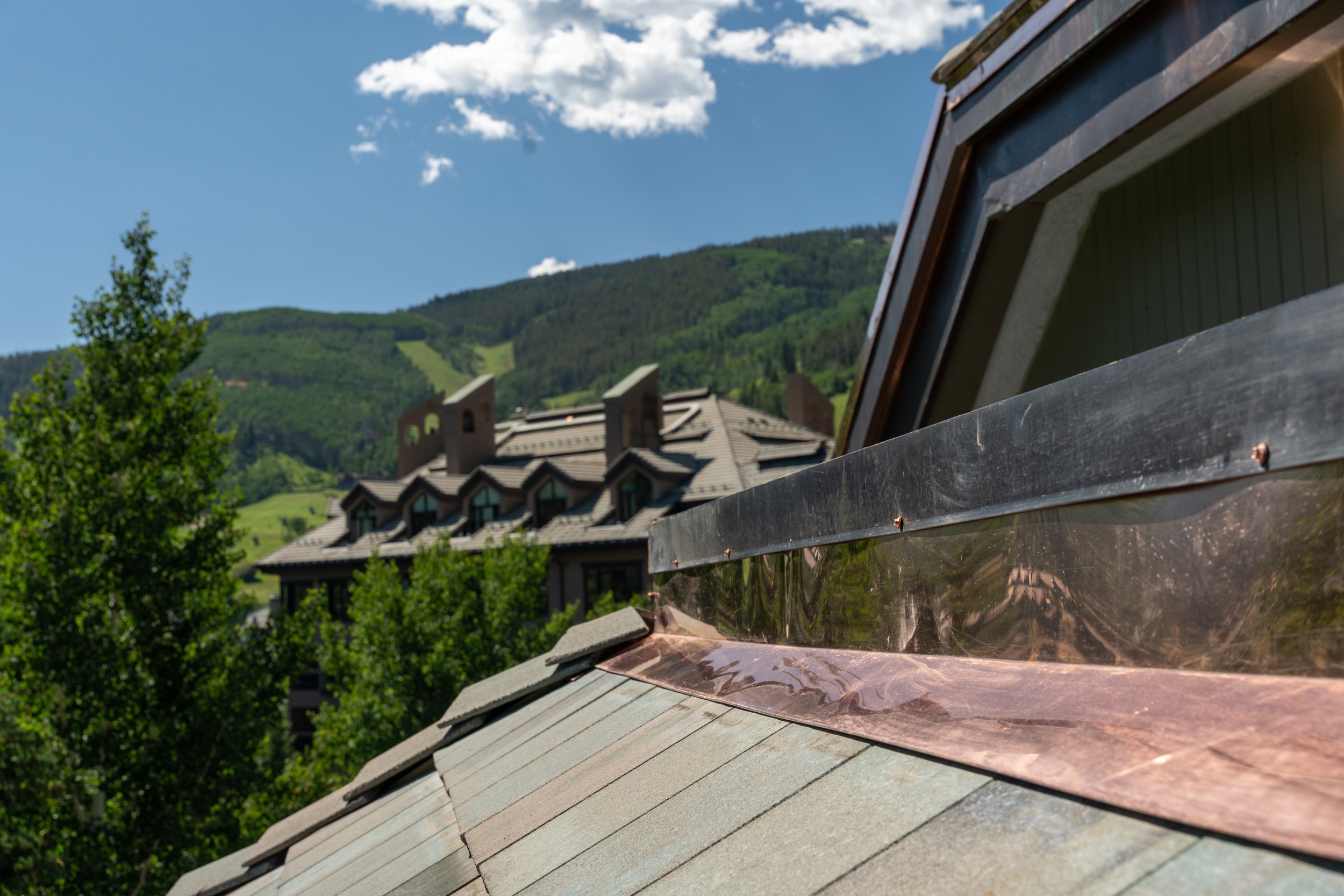
Embers collect in valleys, roof-to-wall transitions, and any joint that traps debris. We install non-combustible metal valley flashings over compliant underlayments and use ignition-resistant materials at eaves, fascias, and roof edges.
Non-Combustible Gutters & Downspouts
Pine needle–packed gutters are a primary ember accumulation site. Under the new Colorado Wildfire Resiliency Code, gutters and downspouts must be non-combustible. We install metal systems with gutter guards designed to stay clear and stay rated.
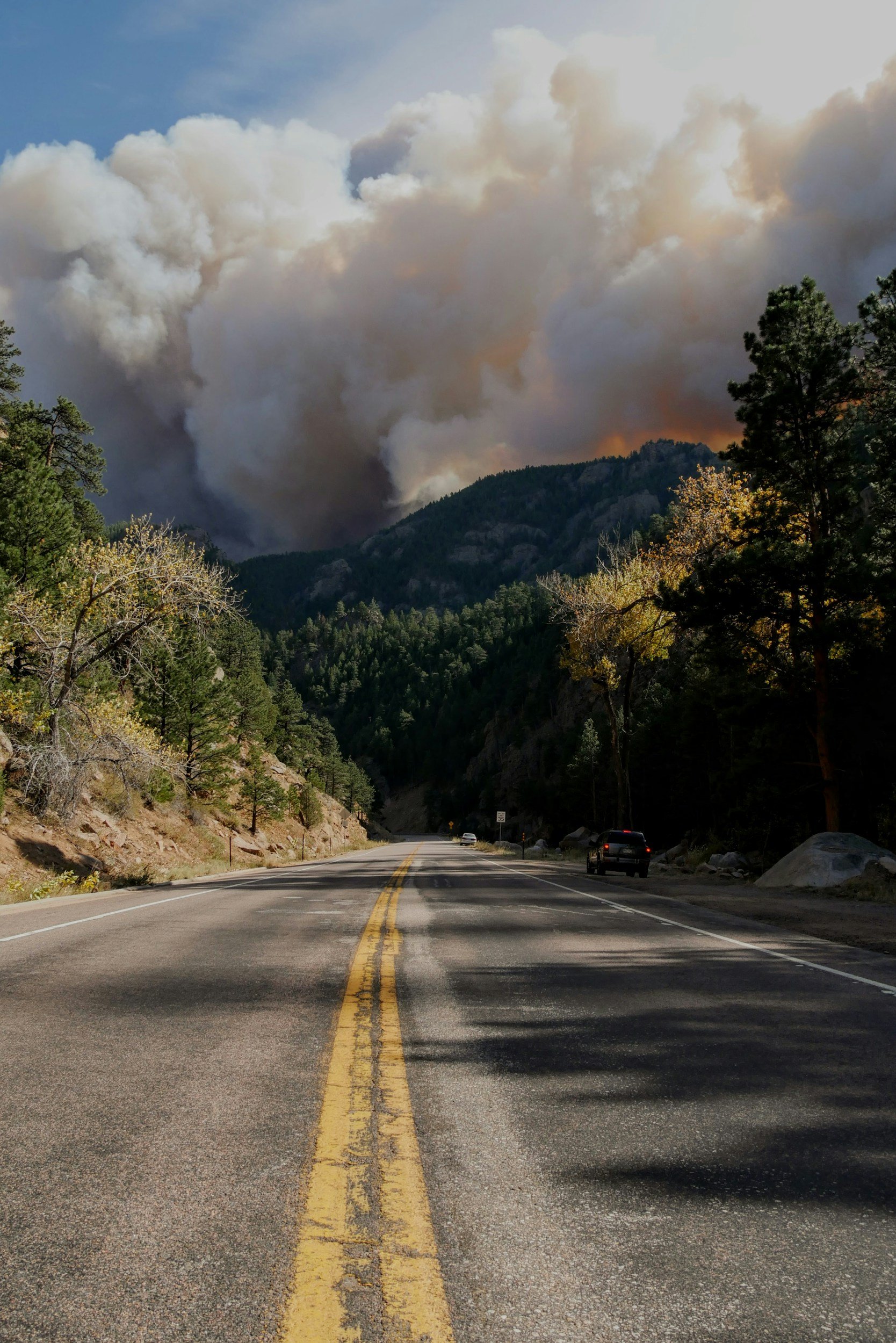
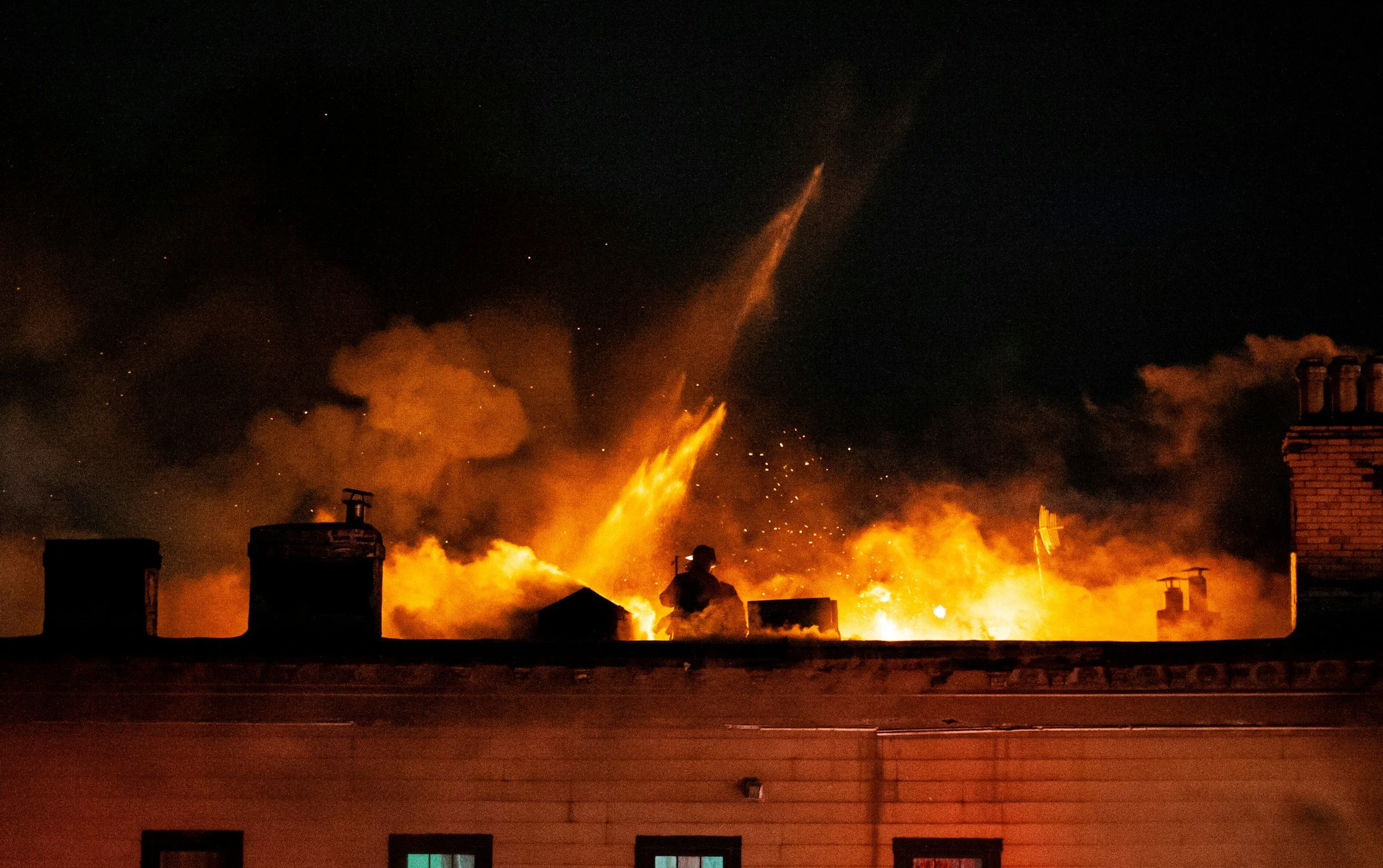
Colorado adopted the Colorado Wildfire Resiliency Code (CWRC) on July 1, 2025. Local jurisdictions were required to adopt it by April 1, 2026, with enforcement following throughout the year.
If your property sits in a designated Wildland-Urban Interface (WUI) area, the code applies to:
New construction
Major additions or remodels
Any exterior replacement of roughly 25% or more — including a re-roof
Colorado’s New Wildfire Code is Here
What the code requires of the roof system depends on whether your property is rated Low (Class 1) or Moderate/High (Class 2) hazard. Across both classes, the consistent themes are:
Class A fire-rated roof covering or assembly
Firestopped or sealed roof deck spaces under profiled coverings
Non-combustible valley flashings over compliant underlayment
Non-combustible gutters and downspouts
Listed, ASTM E2886-tested ember-resistant vents (or, prescriptively, 1/8" non-combustible mesh)
Stricter protection at eaves, soffits, and roof-edge intersections for higher-hazard properties
We follow this code closely, so you don't have to. When you call us out for an inspection, we'll tell you what your roof is, what the code now requires, and what it would take to get there.

Our Wildfire Mitigation Partner: Aspen Wildfire
A wildfire-ready roof is one piece of a wildfire-ready property. Defensible space, vegetation, windows, and deck attachments are outside a roofer's scope.
That's why we've partnered with Aspen Wildfire, a Roaring Fork Valley–based consulting firm founded by Sierra Morris, a former U.S. Forest Service wildland firefighter and NFPA Certified Wildfire Mitigation Specialist. Aspen Wildfire conducts on-site property assessments aligned with IBHS Wildfire Prepared Home™ and Firewise USA standards, delivering a clear, prioritized action plan tied to insurance and code requirements.
Turner Morris handles the roof. Aspen Wildfire handles the rest.
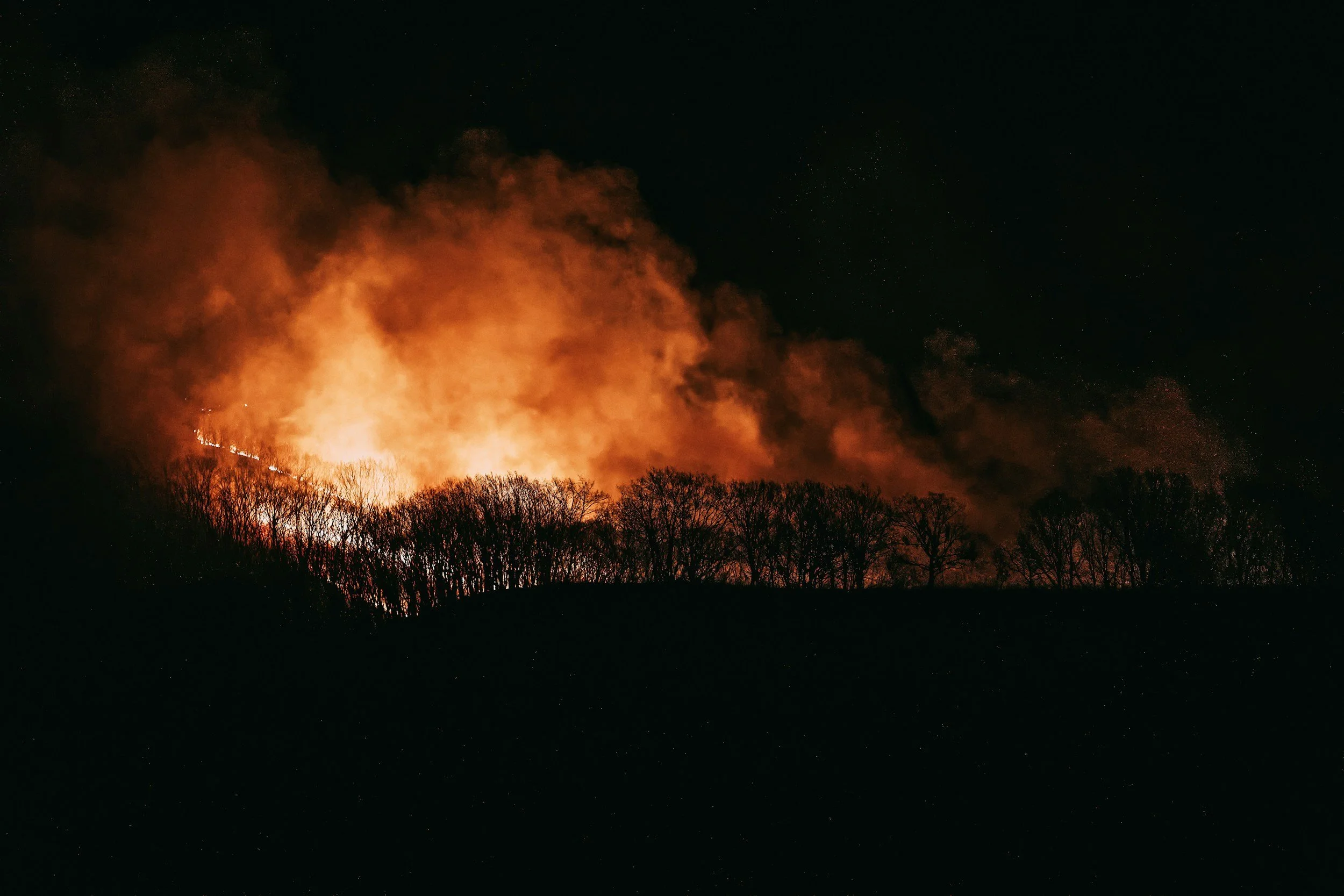
Service Area
Turner Morris is locally owned and operated, with Divisions across:
Get Ahead of Fire Season
And the Code
Whether you're planning a re-roof, navigating an insurance request, or trying to understand how the new Colorado code affects your property, we'll walk the roof with you and give you a clear path forward. No pressure, no jargon, no surprises.
FAQs
Does the Colorado Wildfire Resiliency Code apply to my building?
1
It applies in WUI-designated areas to new construction, major remodels, and exterior replacements of roughly 25% or more, which includes a re-roof. The State of Colorado provides official WUI maps, and local jurisdictions can refine those with site-specific data. We can check your address during our inspection.
What is a Class A roof?
2
Class A is the highest fire-resistance rating under ASTM E108 and UL 790. It describes the entire roof assembly. Covering, underlayment, and deck — not just the surface material. Many of the roofs we install already achieve Class A; the code now makes it the default.
Are ember-resistant vents required by the new code?
3
Yes — for Class 1 (Low-hazard) properties, ventilation openings must either use listed vents tested to ASTM E2886, or, prescriptively, be covered with non-combustible 1/8" corrosion-resistant mesh. Higher-hazard properties have additional requirements at eaves and soffits. We use BrandGuard, Vulcan, and O'Hagin products depending on the application.
What does Aspen Wildfire do that Turner Morris doesn't?
4
We're roofers, we own the roof system. Aspen Wildfire is an independent consulting firm that assesses the whole property: defensible space, vegetation, decking, windows, and the broader structure. Most clients in high-risk areas benefit from working with both.
Get an Inspection to be Wildfire Prepared